
How Colors Influence Consumer Psychology?
Colors are far more powerful than most people realize.
Before consumers read a headline, understand a message or explore a product, they respond emotionally to color. In fact, colors play a major role in how people perceive brands, products and experiences.
From global brands and advertising campaigns to packaging and website design, color psychology has become a critical part of modern branding and marketing strategy.
Because in the world of branding, colors don’t just decorate.
They communicate.
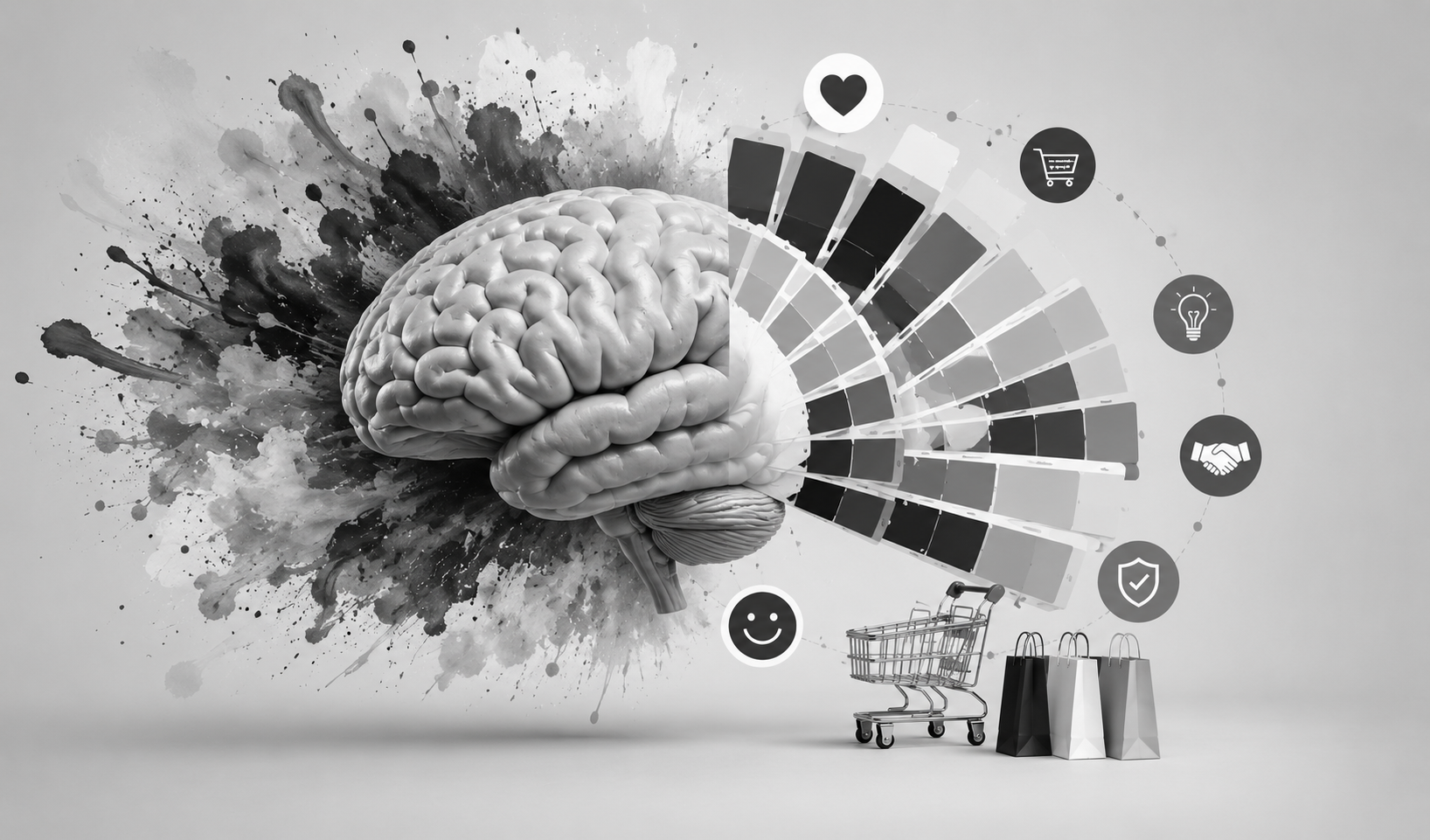
Colors Create First Impressions
Human beings process visuals faster than text and color is often the very first thing consumers notice about a brand.
A brand’s color palette can instantly influence how people feel, think and react.
Colors help communicate:
- Emotion
- Personality
- Trust
- Energy
- Luxury
- Confidence
- Simplicity
- Creativity
This is why some brands feel premium, energetic, playful or trustworthy even before consumers interact with them deeply.
Color Psychology Impacts Consumer Decisions
Studies have shown that color significantly affects purchasing behavior and brand perception.
Consumers often make subconscious judgments about products and brands based on visual presentation alone.
The right colors can:
- Increase attention
- Improve brand recall
- Trigger emotional response
- Influence buying decisions
- Create stronger brand recognition
In competitive markets, strategic color usage can become a powerful business advantage.
Different Colors Trigger Different Emotions
Every color carries psychological associations that influence human perception.
Red
Often associated with:
- Energy
- Passion
- Urgency
- Excitement
Red is commonly used in food, retail and promotional advertising because it attracts attention quickly.
Blue
Represents:
- Trust
- Stability
- Professionalism
- Reliability
Many corporate and technology brands use blue to create credibility and confidence.
Yellow
Symbolizes:
- Optimism
- Happiness
- Positivity
- Creativity
Yellow is often used to create energetic and cheerful brand communication.
Black
Communicates:b>
- Luxury
- Sophistication
- Power
- Elegance
Premium and luxury brands frequently use black for a refined visual identity.
Green
Associated with:
- Nature
- Growth
- Health
- Balance
Green is commonly used in wellness, sustainability and healthcare branding.
Orange
Represents
- Enthusiasm
- Creativity
- Friendliness
- Confidence
Orange is often used by brands that want to appear energetic and approachable.
Branding Is More Than Just Choosing Colors
Effective branding is not simply about selecting attractive colors. It is about choosing colors that align with a brand’s personality, audience and positioning.
A luxury brand and a children’s brand may use completely different color strategies because they are trying to evoke different emotions and perceptions.
Strategic color usage helps brands:
- Create identity
- Build consistency
- Strengthen emotional connection
- Differentiate from competitors
- Improve visual communication
This is why professional branding requires both creativity and psychology.
Colors Increase Brand Recognition
Consistency in brand colors helps consumers remember and recognize brands more easily.
Think about some of the world’s biggest brands. Most people instantly associate them with specific colors.
That is the power of visual consistency.
Strong color identity helps businesses:
- mprove recall value
- Build familiarity
- Create trust
- Stay memorable in crowded markets
In today’s attention-driven digital world, recognizability is a major advantage.
Digital Media Made Visual Psychology More Important
Social media and digital platforms have amplified the importance of visual communication.
Consumers scroll through massive amounts of content every day. Colors often determine whether someone notices a brand or ignores it.
Bold, thoughtful and emotionally aligned color choices can dramatically improve:
- Engagement
- Click-through rates
- User experience
- Content visibility
- Audience retention
In the digital era, visual psychology influences almost every marketing interaction.
Emotional Branding Begins With Visual Identity
People remember how brands make them feel.
Colors play a major role in creating emotional connection and perception. They shape mood, influence trust and create familiarity over time.
When combined with strong storytelling and strategic bra
nding, colors become a powerful communication tool.Because successful brands are not only seen.
They are felt.
Final Thoughts
Color psychology is one of the most influential yet underestimated elements in branding and marketing.
The right colors can influence emotions, strengthen perception, improve recognition and shape consumer decisions in powerful ways.
In today’s highly visual and competitive world, businesses that understand the psychology behind colors can create stronger, more memorable brand experiences.
Because sometimes, color speaks louder than words.
Looking to Build a Powerful Brand Identity?
At KREADZ, we create visually compelling and strategically driven brand experiences that connect emotionally and leave a lasting impact.
From branding and advertising to digital storytelling and design, we help businesses build identities people remember.